


1. Introduction
2. Test Materials
3. Examination of Strength Development Trends in Steel slag-treated clay with PVA
3.1 Strength Testing of Steel slag-treated clay with PVA
3.2 Microstructural Analysis
3.3 Effect of pore ration
4. Examination of Applicability to Port Development
4.1 Turbidity test assuming a drop
4.2 Seawater exposure test
5. Conclusions
1. Introduction
In Japan, large amounts of dredged soil are generated annually in connection with port construction projects. This dredged soil contains a high percentage of fine particles and heavy metals, making it difficult to use directly due to its low workability. As a result, it is often disposed of either inland or through ocean dumping (Toda et al., 2018; Oing et al., 2020; Berenjkar et al., 2019). Recycling dredged soil through solidification with cement has been widely practiced as a method of reuse. However, cement production releases a significant amount of CO2 during calcination (Monkman and MacDonald, 2016), and concerns have been raised about the durability and lifespan of concrete (Durgun and Sevinc, 2022). Therefore, there is a need for new solidifying agents that are more environmentally friendly. Against this background, this study proposes a new ground material by combining steel slag, a byproduct of the steel manufacturing industry produced in large quantities annually in steel-producing countries, with dredged soil to create a steel slag-treated clay. Additionally, polyvinyl alcohol (PVA), a synthetic resin produced by the hydrolysis of polyvinyl acetate and known for its adhesive properties, is incorporated to develop steel slag-treated clay with PVA. This combination proposes steel slag-treated clay with PVA as a ground material with low environmental impact and excellent long-term durability.
Steel slag is widely used as an aggregate in road construction and concrete applications (Arabani and Azarhoosh, 2012; Guo et al., 2019; Xu et al., 2024). Steel slag, a by-product of steel manufacturing, is primarily composed of lime (CaO), silica (SiO2), iron oxide (FeO), and magnesium oxide (MgO) (Olatoyan et al., 2024). Additionally, it contains a characteristic component known as free lime, which refers to unreacted lime that remains in an undissolved state. The chemical composition of this free lime is similar to that of cement, and it is known to contribute to strength development when mixed with clay (Oh et al., 2016). Regarding the solidification mechanism, steel slag contains a few percent of free lime (CaO) as a by-product of the steel manufacturing process. It is assumed that the calcium from this free lime reacts with silica and alumina leached from the dredged soil through a hydration reaction (pozzolanic reaction), forming calcium silicate hydrate (C-S-H) and calcium aluminate hydrate (AFm). These hydrates are believed to contribute to strength development, leading to the solidification of the Steel slag-treated clay (Toda et al., 2018; Kiso et al., 2008). Regarding the strength development process, Steel slag-treated clay can be divided into three stages based on curing time: the preparation period for strength development, the early strength development period, and the late strength development period. Therefore, it is observed that there may be a period immediately after curing where no significant increase in strength is observed (Cikmit et al., 2021; Cikmit et al., 2019; Kang et al., 2019). The delayed strength development of steel slag-treated clay necessitates securing curing time to suppress turbidity as a measure to protect the surrounding environment during construction. This can lead to issues such as increased labor costs and the need for additional space.
PVA, a synthetic resin anticipated to enhance the functionality of the Steel slag-treated clay, has a high strength due to its numerous hydrogen bonds within and between its molecular chains, although it has lower toughness (Durgun and Sevinc, 2022; Xu et al., 2024). Among these, PVA is a synthetic polymer known for its adhesive properties, making it widely used in various industrial applications such as adhesives and laundry starch (Kaboorani and Riedl, 2011; DeMerlis and Schoneker, 2003). PVA is used in large quantities in the construction industry, particularly as a widely utilized binder for construction purposes (DeMerlis and Schoneker). In addition, PVA is used as a modifier (Allahverdi et al., 2010; Kim et al., 1999; Pique et al., 2017), aggregate surface pretreatment agent (Mannan et al., 2006; Kou and Poon, 2010; Chai et al., 2014), and cement-based fiber reinforcement material (Ahmed and Mihashi, 2011; Hu et al., 2013; Thong et al., 2016). In the concrete field, PVA is used to improve strength. Adding PVA to concrete forms a cross-linked structure, which contributes to increased tensile and compressive strength. It has also been reported that there is an optimal amount of PVA to be added (Tamura et al., 2003). On the other hand, water-soluble polymers like PVA often decrease the mechanical properties of mortar and concrete (Ohama, 1995). The factors contributing to the decrease in strength when adding PVA are believed to include the polymer’s hydration inhibition effect, blocking of reactive sites (Assaad, 2018), and a reduction in density due to an increase in air content (Kim et al., 1999). Although numerous studies have investigated the use of PVA as a stabilizing agent in the concrete field, the effects of combining Steel slag-treated clay with PVA for ground improvement have not yet been examined.
This study examines the strength development characteristics and applicability of using PVA in combination with Steel slag-treated clay for port construction. To achieve this, vane shear tests and unconfined compression tests were conducted on specimens prepared with varying amounts of slag and PVA to determine the optimal mix. Next, the void ratio was calculated, and SEM analysis was performed to investigate the factors contributing to the observed change in strength. Finally, to evaluate the applicability for port construction, turbidity tests, and seawater exposure tests were conducted to assess the potential for the practical application of steel slag-treated clay with PVA.
2. Test Materials
In this study, dredged soil collected from around Osakikamijima Island, located off the coast of Takehara City, Hiroshima Prefecture, was used. The physical properties of the dredged soil are shown in Table 1. To prevent impurities from affecting the results of the laboratory tests, the soil was sieved through a 2 mm mesh to remove shells and other debris.
Table 1.
Physical properties of dredged soil
| ρs (g/cm3) | 2.578 |
| WL (%) | 90.1 |
| WP (%) | 41.1 |
| IP | 49.0 |
| Classification | CH |
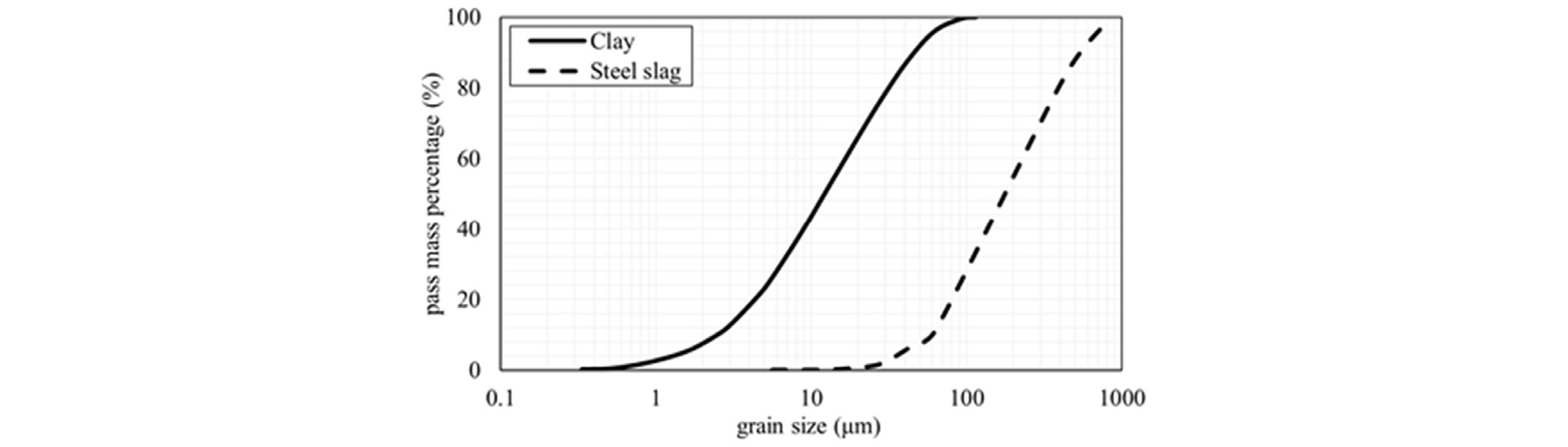
Basic oxygen furnace (BOF) steel slag was used as the solidifying agent. The physical properties of the slag are shown in Table 2. The slag used in the tests had a free lime (f-CaO) content of 6.02 %. To enhance its reactivity, the slag was sieved to adjust the maximum particle size to 850 μm. Figure 1 shows the particle size distribution curves for both the dredged soil and the steel slag.
Table 2.
Physical properties of basic oxygen furnace (BOF) steel slag
| Surface density (g/cm3) | 3.18 |
| Absolutely dry density (g/cm3) | 3.05 |
| Water absorption rate (%) | 4.16 |
| Particle size | 850 μm or less than |
| Free lime (%) | 6.02 |
The PVA used in this study was selected for its durability in seawater, high film strength, and high degree of polymerization, making it a fully saponified type. Additionally, PVA is considered safe to handle and relatively environmentally friendly due to its non-toxic nature. Moreover, PVA is available as an odorless, tasteless, semi-transparent granulated powder ranging from white to ivory in color. In this study, granular PVA was dissolved in distilled water and heated in an 80°C water bath while stirring until the solution became transparent to prepare the PVA solution.
3. Examination of Strength Development Trends in Steel slag-treated clay with PVA
3.1 Strength Testing of Steel slag-treated clay with PVA
3.1.1 Initial Water Content Ratio of 1.5wL
To examine the strength development trends and determine the optimal mix for Steel slag-treated clay with PVA, vane shear tests and unconfined compression tests were conducted.
In the preparation of the specimens, the solidifying agent was mixed with a hand mixer for approximately 5 minutes. The mixture was then added to molds in three layers, with each layer being tapped 25 times to ensure proper compaction. After preparation, the specimens were cured in ambient conditions at 20°C until the specified curing time was reached before being used for testing. The amount of steel slag was calculated based on the mass ratio to the wet clay, and the amount of PVA particles was calculated based on the volume ratio to the wet clay. At this stage, the initial water content of the mixed solidifying agent was adjusted to 1.5wL. For the vane shear test, a vane blade with dimensions H = 1.0 cm and D = 2.0 cm was used, with a rotation speed of 6 °/min. The compression strain rate for the unconfined compression test was set to 1 %/min.
(a) Vane shear test
The results of the vane shear test after 24 hours of air curing are shown in Figure 2. The test results indicate that for all mixtures containing steel slag, the vane shear strength tended to increase with the addition of PVA. Furthermore, it was found that the strength increased most significantly when the PVA content was approximately 2.25% by volume relative to the wet clay, regardless of the amount of steel slag added. This is attributed to the pronounced strength-enhancing effect derived from the adhesive properties of PVA within the range of 0% to 2.25%. However, even though the adhesive properties of PVA continue to increase beyond 2.25%, the peak strength decreased. This is believed to be due to PVA’s water retention capability, which retains the water necessary for the immediate water absorption of steel slag, thereby reducing the peak strength. To support the notion that PVA inhibits the water absorption of steel slag, a mixture was tested with only PVA added and no steel slag. The results showed that as the amount of PVA increased, the peak vane shear strength also increased with the PVA content. This indicates that the water retention capability of PVA inhibits the water absorption of steel slag.

(b) Unconfined compression test
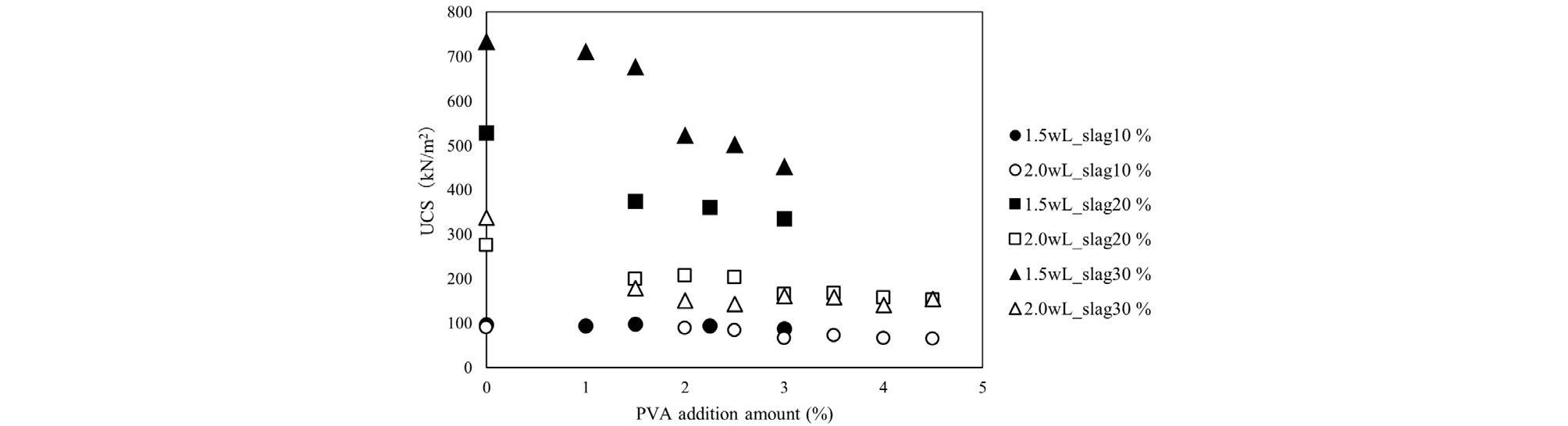
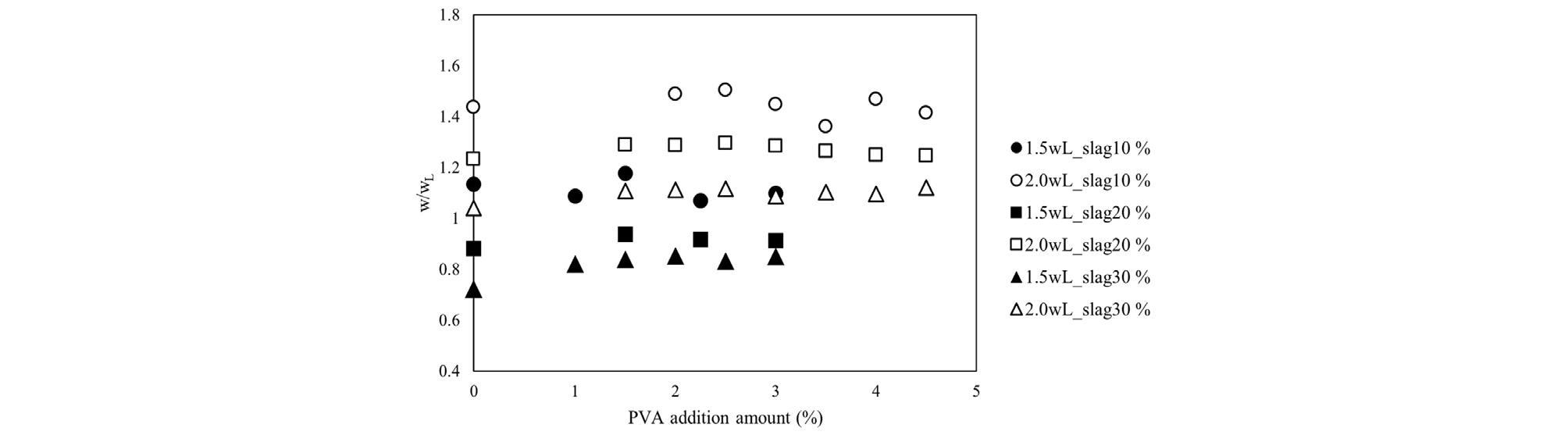
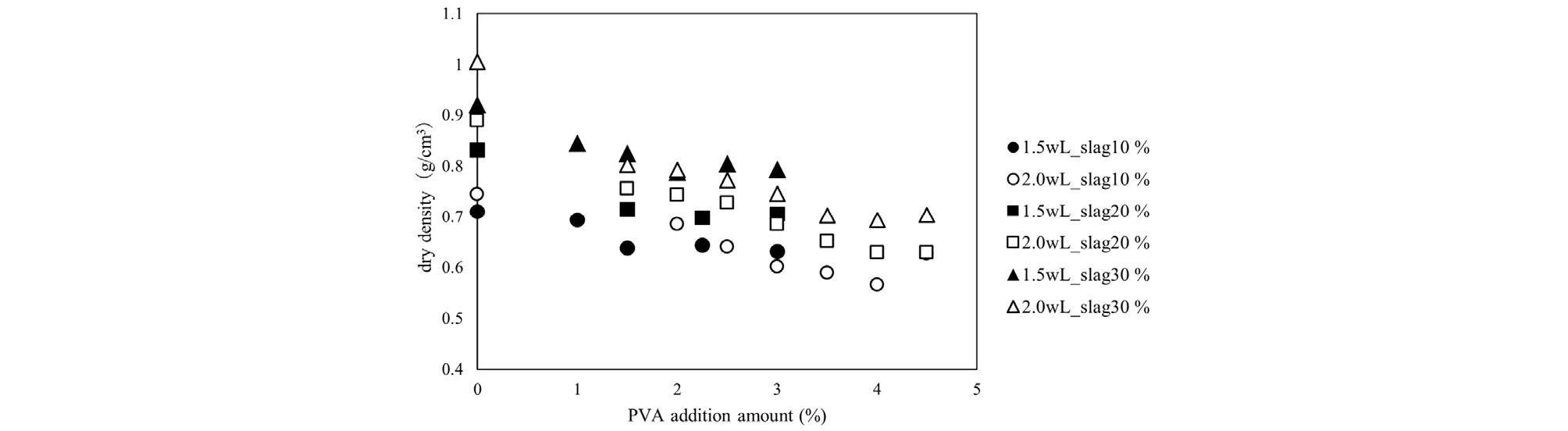
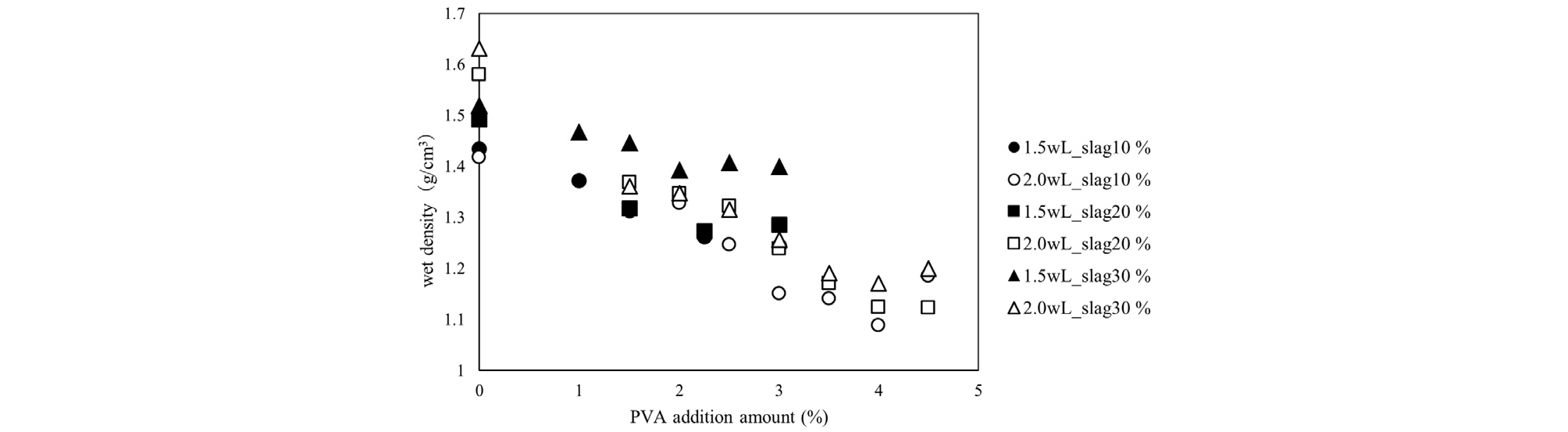
The results of the unconfined compression tests after 28 days of air curing are shown in Figures 3-6. The test results indicate that for the mixture with 10% steel slag added by mass relative to the wet clay, no significant change in strength was observed with the addition of PVA. However, for mixtures with 20% and 27% steel slag added by mass, it was found that the unconfined compression strength decreased with the addition of PVA. Two factors are suggested to explain the reduction in unconfined compression strength. First, the increase in water content associated with the higher PVA addition (see Figure 4) is believed to be a factor. The water retention capability of PVA likely retained the water required for the hydration reactions of the dredged soil and steel slag, leading to delayed or inhibited hydration reactions and a reduction in unconfined compression strength. Second, as shown in Figures 5 and 6, increasing the PVA content led to a decrease in both dry and wet densities for all mixtures. The increased voids, caused by PVA trapping surrounding air during mixing, likely resulted in lower density. This reduction in density due to PVA addition is thought to have increased the voids within the specimens, leading to decreased unconfined compression strength. Previous research has also shown that the compressive strength of PVA-modified cement mortars decreases due to the increase in air voids and porosity caused by the addition of PVA (Kim and Robertson, 1998; Kim et al., 1999). However, the steel slag-treated clay with PVA, due to its reduced density, suggests the potential for use as a lightweight soil material in port construction.
3.1.2 Initial Water Content Ratio of 2.0wL
Based on the results of the strength tests at an initial water content of 1.5wL, it is inferred that the strength decrease is due to insufficient pore water supply caused by the water retention capability of PVA. Therefore, to ensure sufficient pore water, the initial water content was adjusted to 2.0wL, and the strength tests were conducted again under conditions like those at 1.5wL.
(a) Vane shear test
The results of the vane shear tests indicate that even with an increased initial water content, there is a tendency for the vane shear strength to increase with the addition of PVA. It was also found that the optimal PVA addition amount increased from 2.25% to 4.0% with the increased initial water content. This is likely because, at higher water content, the spacing between steel slag and dredged soil particles becomes wider due to the increased void ratio, thus requiring a greater amount of PVA. Therefore, reducing the initial water content may reduce the required PVA amount. However, reducing the initial water content could potentially affect mixing efficiency during the preparation of the solidifying materials, so further investigation is needed to address practical implementation concerns.
(b) Unconfined compression test
The results of the uniaxial compression tests indicated that even with an increased initial water content, the strength increase trend was generally like that observed with an initial water content of 1.5wL. This suggests that, even in conditions with sufficient surrounding water, the addition of PVA leads to a decrease in strength, which implies that PVA is likely inhibiting the hydration reactions occurring between the dredged soil and steel slag. Additionally, the use of PVA resulted in reductions in both dry and wet densities, and the increased porosity within the specimen due to the lower density caused by PVA addition is one factor contributing to the decrease in uniaxial compression strength.
Based on the results of the vane shear tests and uniaxial compression tests conducted with varying initial water content, steel slag content, and PVA addition amounts, the optimal mix for steel slag-treated clay with PVA at this stage of the study has been determined to be 15% steel slag and 2.25% PVA, with an initial water content of 1.5wL. This optimal mix will be used for further evaluation of its applicability in port maintenance in the following chapter.
3.2 Microstructural Analysis
The results of the vane shear tests suggest that the observed increase in strength when using PVA is due to the formation of a cross-linked structure by PVA, which strengthens the connections between particles. Additionally, the uniaxial compression tests also showed a reduction in strength with the use of PVA, indicating that PVA might be inhibiting the hydration reactions by coating the steel slag and soil particles. Therefore, scanning electron microscopy (SEM) will be used to observe the structure of PVA within the test specimens.
For this study, the mix was adjusted to an initial water content ratio of 1.5wL, and two formulations were prepared: Steel slag-treated clay (15% steel slag) and the optimal formulation of Steel slag-treated clay with PVA (15% steel slag + 2.25% PVA). Tests were conducted after 24 hours and 28 days of air curing. To perform SEM, it was necessary to pre-treat the specimens to prevent structural damage due to moisture under vacuum conditions. Therefore, a vacuum pump was used to create a vacuum (0.9 MPa) inside the container holding the specimens. To maintain low temperatures, cooling agents were placed around the container, and it was enclosed with expanded polystyrene to conduct vacuum drying. After confirming that all moisture had evaporated, SEM was performed.
The results of the SEM are shown in Figures 7 and 8. After 24 hours of air curing, the Steel slag-treated clay exhibited a plate-like structure from the surface observations at the initial stage of curing. In contrast, for the Steel slag-treated clay with PVA, it was observed that PVA adhered around the diatomaceous earth and steel slag particles. This suggests that, at the initial stage, the adhesive action of PVA contributed to a stronger particle connection, affecting the increase in initial strength.
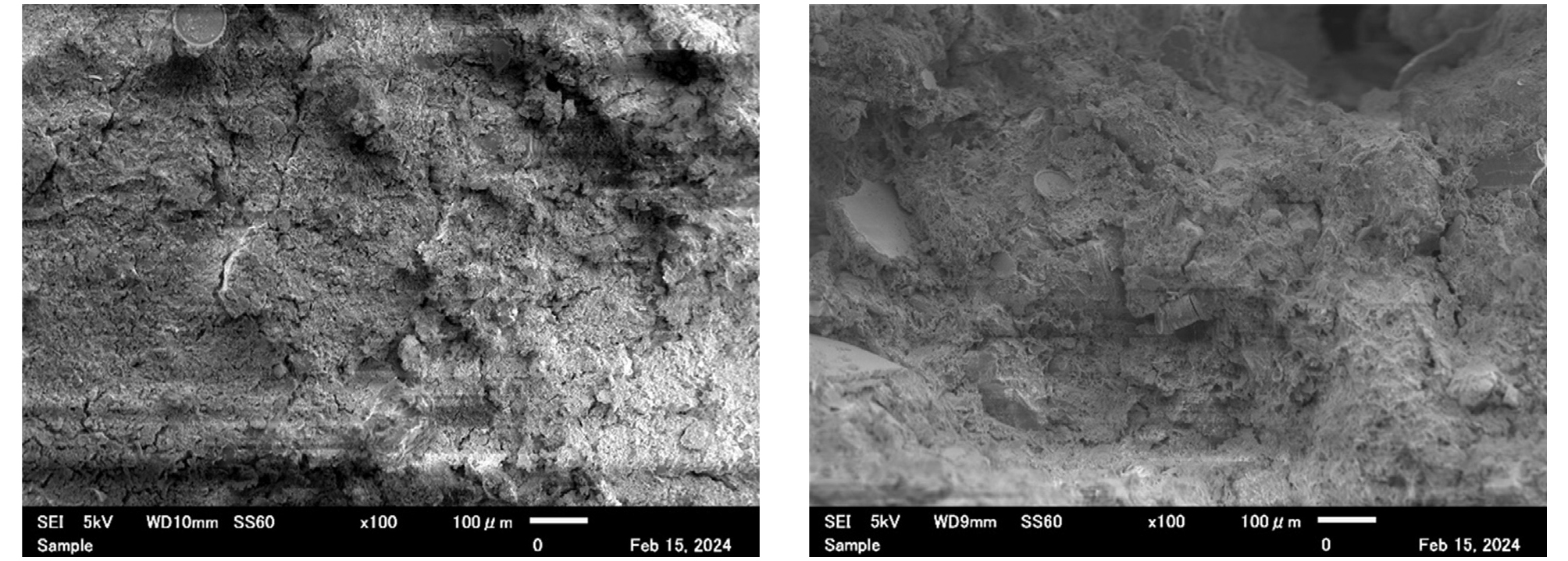
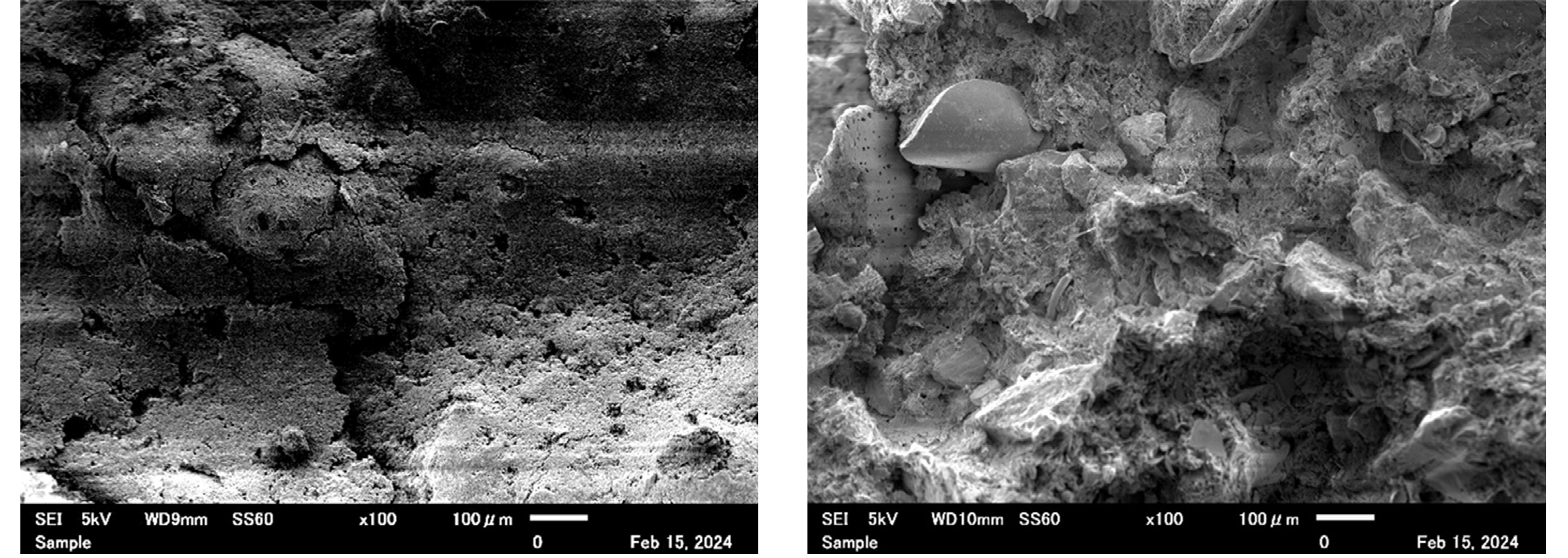
In the results after 28 days of air curing, the Steel slag-treated clay maintained a structure like that observed at the initial curing stage, indicating a dense structure. Similarly, the Steel slag-treated clay with PVA also maintained a structure comparable to that observed initially, with PVA still adhering to the particle surfaces. This suggests that the structure makes it difficult for the water necessary for the hydration reactions between the dredged soil and steel slag to be supplied effectively. Consequently, the reduction in strength observed is likely due to the hindrance of hydration reactions by the PVA. Additionally, compared to the Steel slag-treated clay, the structure with PVA formed a more three-dimensional configuration, which was more prone to trapping air, thus supporting the reduced density achieved by using PVA.
3.3 Effect of pore ration
The factors contributing to the decrease in strength at 28 days when PVA is used include the increase in voids and the resultant reduction in density due to PVA trapping surrounding air during the mixing process. Therefore, this section uses Equation (4) to calculate the void ratio within the specimens and clarifies the relationship between strength and PVA content. In this context, represents the soil particle density, which changes with variations in the amount of stabilizer added, while denotes the dry density. The values for both parameters are determined based on the results from the unconfined compressive strength tests conducted after 28 days of air curing as described in section 3.1, and the void ratio is calculated accordingly.
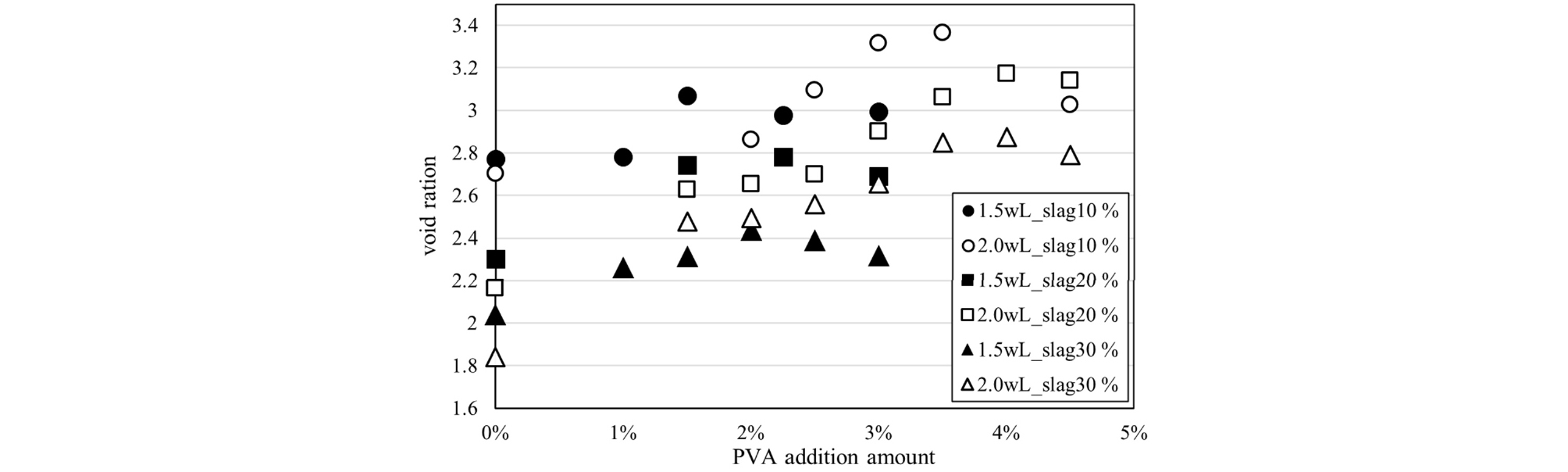
The results of the calculations are shown in Fig. 9 and Fig. 10. From the calculations, it was revealed that the use of PVA increases the void ratio within the specimens regardless of the initial moisture content. Previous studies have demonstrated that due to the surfactant properties and viscoelasticity of PVA, small air voids are formed and stabilized, making their removal difficult later (Kim and Robertson, 1997). Additionally, Kim et al. found that incorporating PVA into cement-based materials increased the void content, resulting in similar outcomes (Kim and Robertson, 1997; Kim and Robertson, 1998). Additionally, there is a proportional relationship between the amount of PVA added and the void ratio, with an increase in PVA leading to a rise in the void ratio. This can be attributed to the increased incorporation of surrounding air during mixing when PVA is used, resulting in a decrease in density. Therefore, steel slag-treated clay with PVA has the potential as a lightweight ground material.
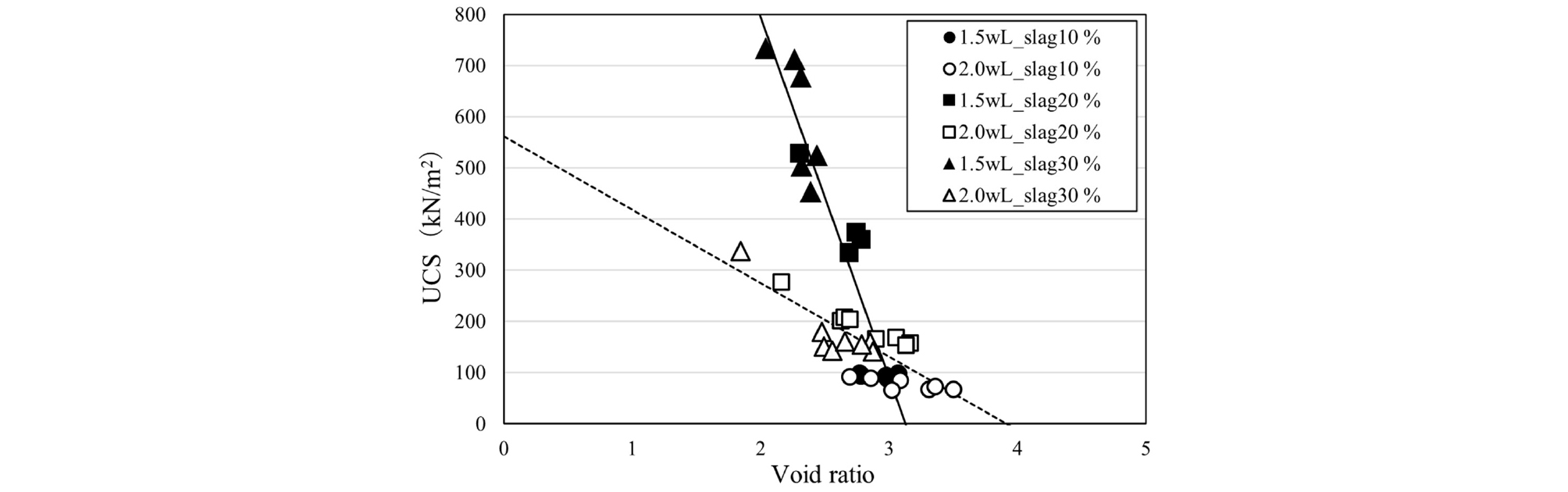
Furthermore, the relationship between strength and void ratio produced a linear graph. The coefficient of determination for the initial moisture content of 1.5wL and 2.0wL were 0.8 and 0.6, respectively, indicating a strong correlation. This suggests that as the void ratio increases, the uniaxial compressive strength decreases, which is one factor contributing to the reduction in strength when using PVA. However, it was observed that at an initial moisture content of 1.5wL, the slope of the approximation line was steeper compared to 2.0wL. This is likely due to the influence of pore water within the specimens; at an initial moisture content of 1.5wL, the lower amount of pore water results in a structure that is more prone to void formation after mixing, as also indicated by the SEM results.
4. Examination of Applicability to Port Development
4.1 Turbidity test assuming a drop
In practical applications, direct placement using backhoes or similar equipment has raised concerns regarding the turbidity generated as the treated soil falls through the water. Therefore, it is necessary to investigate this issue further. In this study, we used a small water tank to assess the turbidity suppression effect of adding PVA by dropping freshly cured samples of treated soil from the water surface. This assessment was conducted using two measurement methods: video recording and a turbidity meter. A schematic of this experiment is shown in Fig. 11. The turbidity test tank (30 cm wide, 35 cm high, 15 cm deep) was filled with artificial seawater (salinity of 3.5%) to a depth of 25 cm. Next, 150 g of freshly mixed soil was placed in a container with a removable bottom. By pulling out the bottom at the water surface, the soil was allowed to free fall with minimal disturbance, and the spread of turbidity was measured. In this experiment, three different soil mixtures were used: untreated soil, Steel slag-treated clay (with 15% steel slag), and Steel slag-treated clay with PVA (with 15% steel slag + 2.25% PVA). The turbidity meter employed in this study uses a near-infrared 90° scattered light measurement method. The turbidity range of the meter is 0.1–220 mg/L, with an accuracy of ±2%. The turbidity meter was positioned 5.0 cm from the bottom and the side of the tank, and 7.5 cm deep.

The results of the turbidity test are shown in Fig. 12 and Table 3. The test results indicate that the turbidity of the steel slag-treated clay with PVA is lower compared to the untreated soil and steel slag-treated clay. This confirms the turbidity reduction effect of PVA. This is related to the initial strength; by improving the initial strength, the scattering during the drop and settling is reduced, which in turn suppresses turbidity. Additionally, the relationship between turbidity and time for all mixtures shows a waveform pattern. This is likely influenced by the water tank used in the study, where turbidity generated during the drop and placement may have reflected off the walls, causing the turbidity to accumulate around the turbidity meter instead of dispersing, resulting in fluctuations in turbidity values. Therefore, future experiments should include additional tests using larger water tanks or conditions with water flow to better simulate real construction scenarios and assess turbidity suppression effects. Furthermore, observing the sedimentation of the mixed soil after underwater drop reveals that the steel slag-treated clay with PVA does not exhibit significant changes in shape post-placement. However, in actual construction, there is a potential for uneven sedimentation when the mixed soil is dropped into the water. Thus, conducting mortar flow tests or similar experiments will be necessary to evaluate the workability of steel slag-treated clay with PVA.
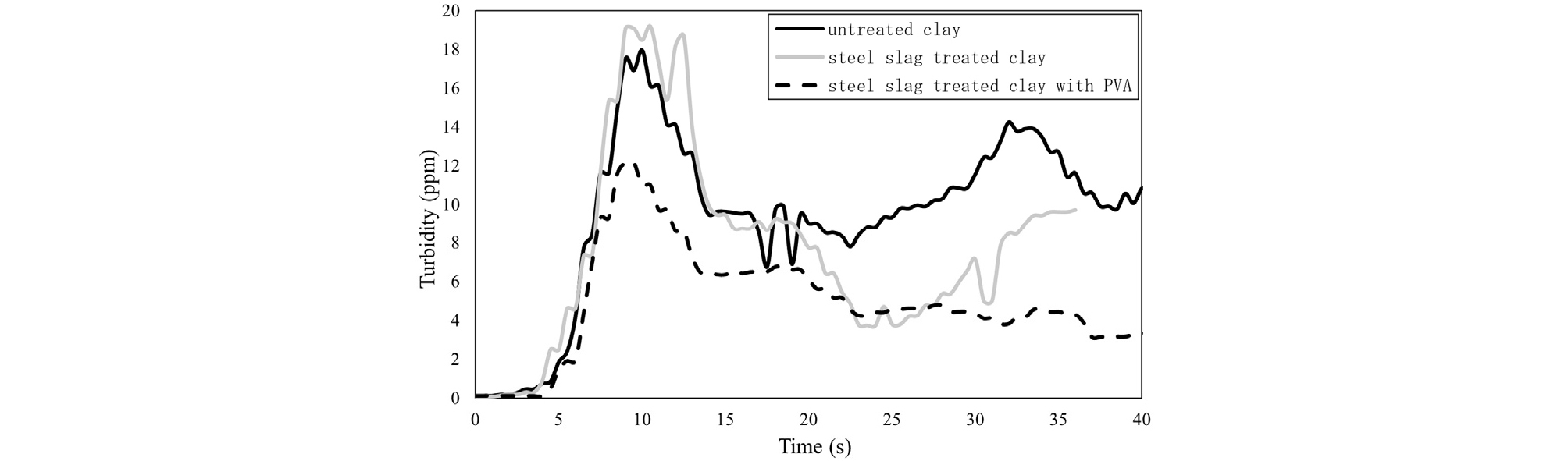
Table 3.
Turbidity test captured by camera
| untreated clay | steel slag treated clay | steel slag treated clay with PVA | |
|
Immediately after fall | 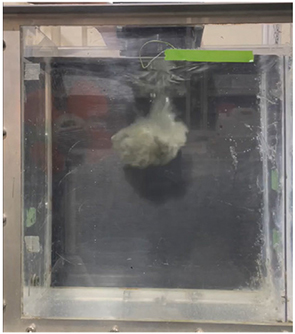 | 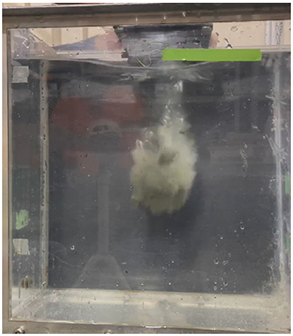 | 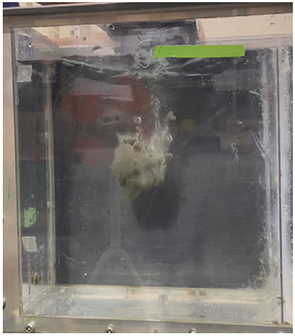 |
|
On the way down | 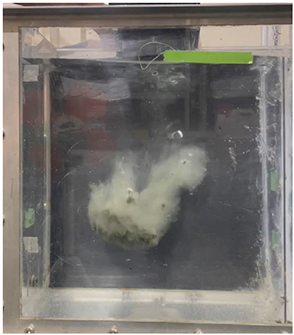 | 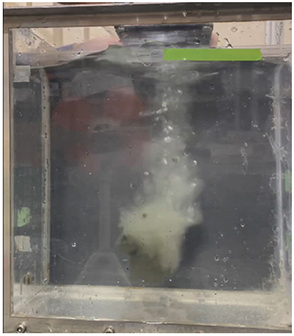 | 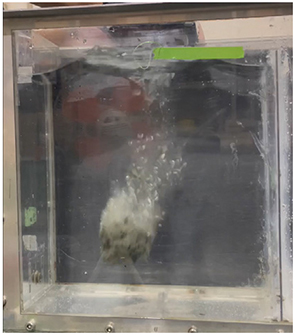 |
|
time of implantation | 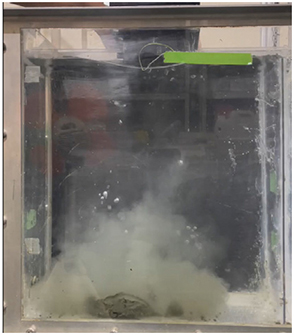 | 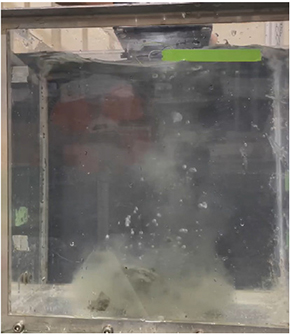 | 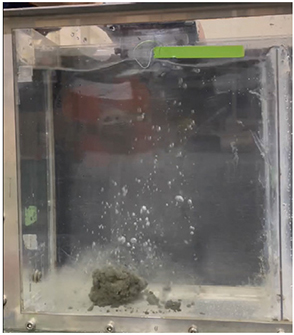 |
|
post- implantation |  |  |  |
4.2 Seawater exposure test
Finally, assuming the construction of steel slag-treated clay with PVA in real marine environments, we will evaluate the strength impact and assess the long-term durability of using PVA under seawater conditions.
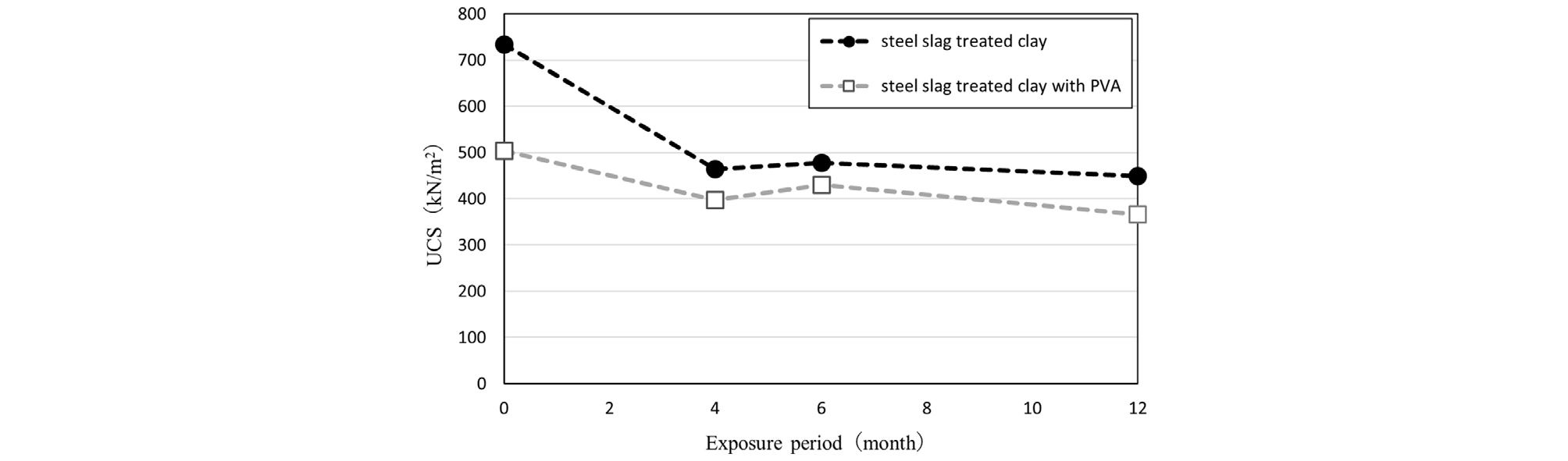
The seawater exposure tests were conducted on two types of mixes: Steel slag-treated clay (with 30% steel slag) and slag-treated clay with PVA (with 30% steel slag and 2.25% PVA). The exposure period lasted approximately one year, from November 18, 2022, to November 20, 2023. During this period, samples were collected at three intervals: 4 months, 6 months, and 12 months. Each collected sample underwent unconfined compressive strength testing to evaluate the strength of the modified soil. The in-situ seawater exposure tests were carried out at the pier of the affiliated practice ship base located at Kure Port, owned by the Faculty of Applied Biological Sciences, Hiroshima University. The schematic diagram of the seawater exposure test is shown in Fig. 13. Additionally, the seawater temperatures at the exposure site, recorded by a temperature data logger, are illustrated in Fig. 14. However, there were periods during the test when the logger fell, resulting in missing data. For these missing data periods, the seawater temperature data from a 5-meter depth point in Hiroshima Bay, provided by the Hiroshima City Fisheries Promotion Center (Hiroshima City Agriculture, Forestry and Fisheries Promotion Center, 2024/08/27), were used as a reference and inserted (indicated by the dashed line in the figure). It has been confirmed that there is no significant discrepancy between these reference data and the actual measurements taken during the test. Throughout the exposure period, the average seawater temperature was 19.0°C, with a maximum of 29.0°C and a minimum of 10.5°C. The average temperature is comparable to indoor temperatures used for curing specimens, with a temperature variation of approximately 10°C based on this average.


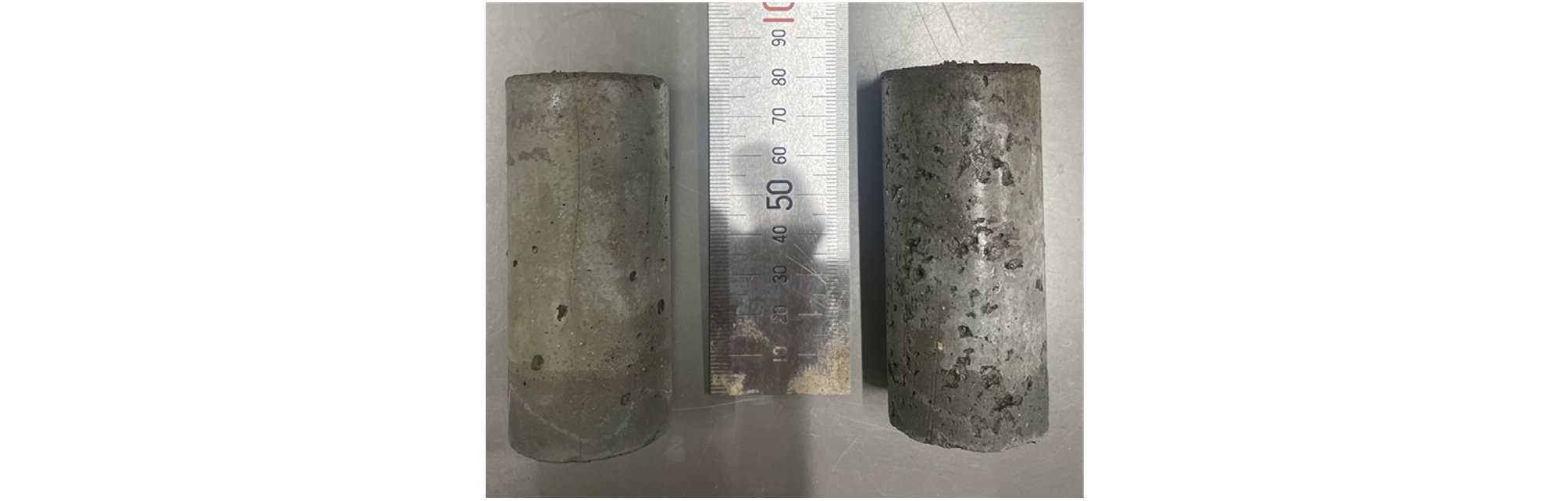
The results of the uniaxial compression tests under seawater exposure are shown in Fig. 15. The results reveal that the uniaxial compressive strength of both mixes decreases gradually with prolonged seawater exposure. Notably, there is a significant reduction in strength observed after 4 months of seawater exposure. In addition, as shown in Fig. 16, no prominent visible deterioration was observed in either mix during the seawater exposure tests, confirming that both mixes are resistant to seawater. Next, when comparing the strength changes between Steel slag-treated clay and Steel slag-treated clay with PVA, it was observed that, throughout this study, the mix without PVA consistently exhibited higher strength. However, the decrease in strength was less pronounced in the mix with PVA. This indicates that no negative effects of PVA were observed, and the reduction in strength was mitigated more effectively in the Steel slag-treated clay with PVA. Therefore, it is suggested that steel slag-treated clay with PVA has potential applicability in port development.
5. Conclusions
In this study, vane shear tests, uniaxial compression tests, and SEM were conducted on specimens with varying amounts of steel slag and PVA to investigate the strength improvement tendencies of steel slag-treated clay with PVA. Similarly, turbidity tests and seawater exposure tests were performed to assess the applicability for port construction. The findings obtained from these experiments are summarized below.
(1) In the early curing stage, the addition of PVA improves the initial strength regardless of the amount of steel slag added. There is an optimal amount of PVA, which increases with a higher initial moisture content.
(2) With longer curing times and higher steel slag content, a decreasing trend in strength due to PVA addition was observed. This is primarily attributed to the inhibition of hydration reactions and the increase in low density caused by PVA.
(3) Based on the strength test results, the optimal mix in this study is 15% steel slag + 2.25% PVA with an initial moisture content of 1.5wL.
(4) Although adding PVA increased the void ratio and led to a decrease in strength, it suggested the potential for the material to be used as a lightweight ground material.
(5) Surface observations revealed that PVA adheres to particle surfaces, potentially affecting the reactions between particles.
(6) The turbidity reduction effect immediately after curing and the long-term durability under seawater conditions of the steel slag-treated clay with PVA have been demonstrated, enhancing its suitability for port development applications.
Based on the above, the use of steel slag-treated clay with PVA has the effect of improving initial strength, which is expected to reduce turbidity and improve construction efficiency by shortening the curing time. On the other hand, after 28 days of curing, there is a tendency for strength to decrease. Two potential factors for this decline are the low density of the specimens due to the foaming properties of PVA and the inhibition of the hydration reaction due to PVA adhering to the particle surfaces. In future work, it is necessary to conduct flow tests to evaluate the workability of steel slag-treated clay with PVA, especially considering the potential decrease in fluidity due to the adhesive properties of PVA. This is crucial for further advancing the practical application of this material in port development. Furthermore, it’s better to be mentioned that additional tests using different physical properties soils (for example, clayey silts with low plasticity) should be needed in further studies.